Apparently the club foot condition has been In contrast, true clubfoot is a structurally abnormal foot, which is a true malformation.
So-called Club Foot By James R Rooney Dmv

Sometimes the foot only appears abnormal because it was held in an unusual position in the uterus (positional clubfoot).
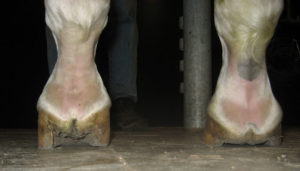
Club foot horse problems. Early treatment results in the best prognosis. Sometimes it isn't even noticeable. If you view the withers and shoulders of a club footed horse from behind, you will often see that the shoulder of the club sided foot is usually somewhat smaller and falls away from the withers more steeply.
With true clubfoot, the bones of the leg or foot or the muscles of the calf are often underdeveloped. Radiographic evaluation of the dorsal wall with a conforming marker allows accurate assessment of the. Making the distinction is the first step toward resolving a club foot, he says.
Treatment varies with the age of the horse and severity of the case. Farrier simon curtis wants everyone to know that a club foot is not the same thing as an upright foot. Club foot often affects the forelimbs in most cases, whereby the hoof has a deformed shape, making walking difficult or painful.
It can be a congenital (born this way) or developmental (acquired early. In primary cases, contracted heel is a result of unbalanced feet or overgrown hoofs. Cases of contracted heel can be primary or secondary.
This can be due to either pain or a preference of feeding. This is often seen in foals with developmental problems due to rapid growth. The contracted muscle/club foot condition is a common growth problem in young horses (up to 6 months of age), causing upright pasterns and a tiptoe stance.
Horses are either right handed, left handed, or ambidextrous. “i have a bit of a bee in my bonnet because people are forever. Club foot can have a huge effect on a horse’s athletic longevity.
As the foot grows out in these horses, there is a propensity for the dorsal wall to distort and flare, producing multiple angles to the dorsal wall. Between club foot and incorrect toe first landing which has serious long term implications for a horse’s soundness because it produces pathologies such as navicular, low ringbone, high ringbone, pedal bone degradation and laminitic pressures. Horses affected with club foot develop a flexural deformity of the coffin joint, due to a shortening of the musculotendinous unit that starts high up in the limb and inserts on the coffin bone in the foot, resulting in an upright conformation of the foot.
The only way to stop continuing problems with club footed horses is not to breed from them. With all this in mind we worked on a club foot case recently: After birth foals acquire club feet when the bones grow faster than the tendons.
Older horses with club feet frequently suffer from lameness issues due to such thin soles and bruising, along with hoof cracks, white line separation, laminar inflammation, and abnormal coffin. Sometimes the horse is clearly uneven, tied in, even limping. A club foot is a deformity and for any horse to win at top level competition it needs every possible advantage and no drawbacks.
Club foot is one of the most common deformities in the horse world. Contracted heels in horses sometimes are mistakenly called club foot. These are in fact two different conditions but have a lot in common and the result is similar.
From my observations, when horses grow up with a club foot, they condition themselves to favor the normal foot because the club foot is the outcome of the horse’s leg bones elongating. When a horse has a club foot, the horse is reluctant to take up the lead on the affected foot. The club footed horse cannot extend its coffin bone (and hence point its hoof) to normal limits during a stride.
Club foot can occur before or after birth in foals. Depending upon the degree of club footedness, the horse travels short on that leg. With respect to the club foot, the heel of the affected foot grows faster and the hoof more upright in appearance due to most of the horse's weight being placed on the opposite foot.
Often, club foot affects both front legs with one being more severe than the other. Club foot is a term commonly used to describe an abnormally upright front foot conformation. Vet bills can sneak up on you.
After 11 months of gestation, it is a costly and heart breaking exercise if it results in a club footed foal. The condition of the foot, the way the horse stands and your shoe modification ability will help determine the end result. Any club foot that has been around a while will have a sensitive, unused, underdeveloped frog/digital cushion.
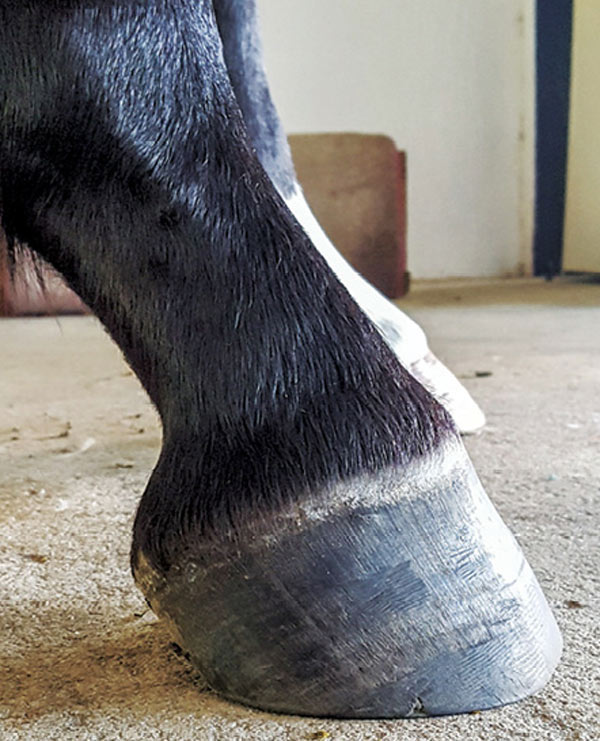
Club Foot Or Upright Foot Its All About The Angles

Understanding Club Foot - The Horse Owners Resource

Understanding Club Foot - The Horse Owners Resource
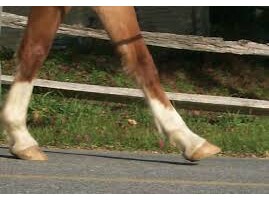
Animal-mrt Effect Of Hoof Distortion On Muscoskeletal Issues
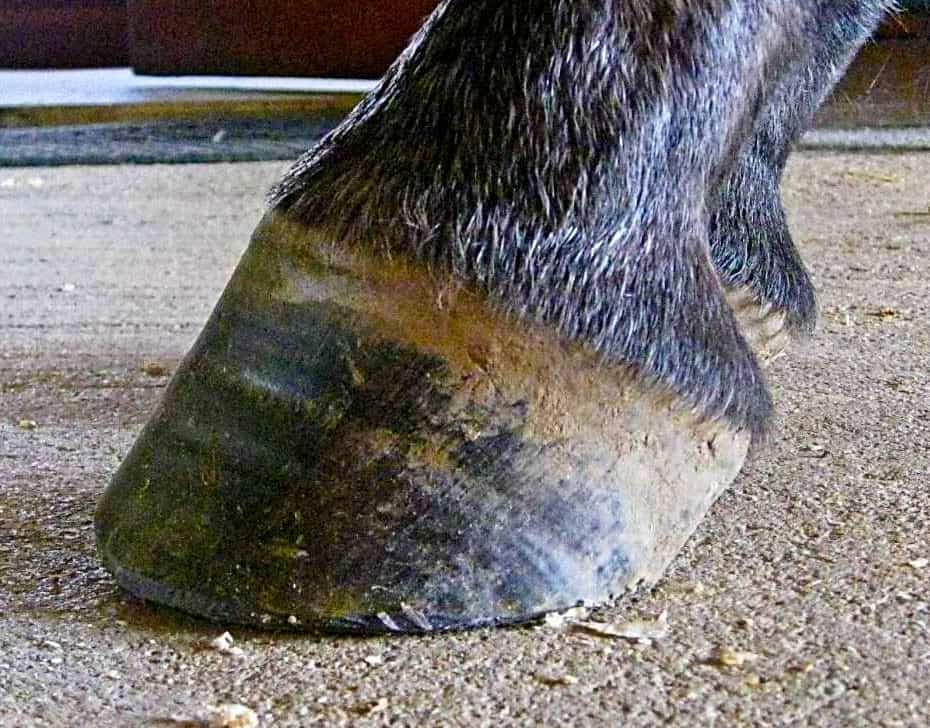
Hot Topics In Hoof Care Part 4 The Abnormal Horse Hoof The Horse

The Importance Of Physical Maturity In The Horse - Horsetalkconz
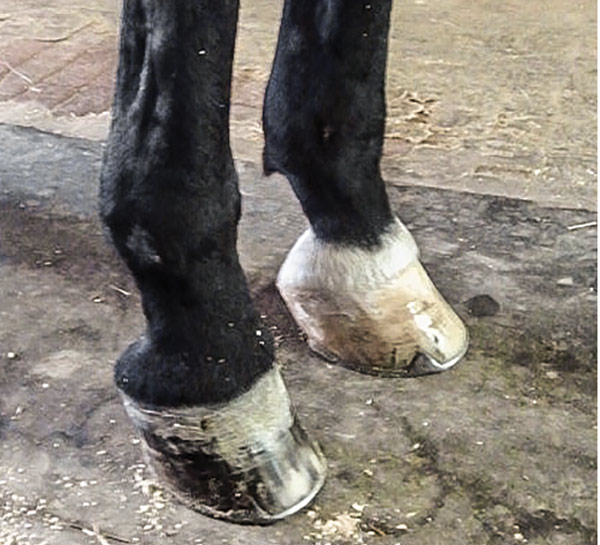
What Advice Has Been Most Helpful When You First Encounter A Club Foot

Club Foot Results In A Vertical Hoof Wall Compared To Other Feet A Dropped Sole And A Dished Front Dorsal Hoof Wall It Res Club Foot Horse Health Hoof Care
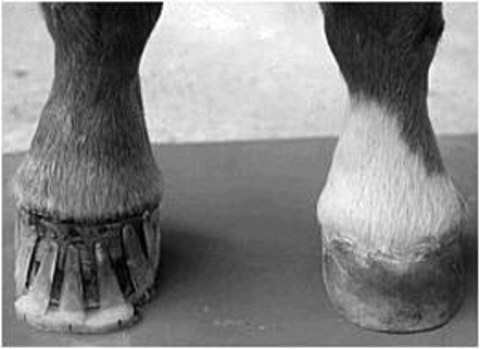
Club Feet In Foals
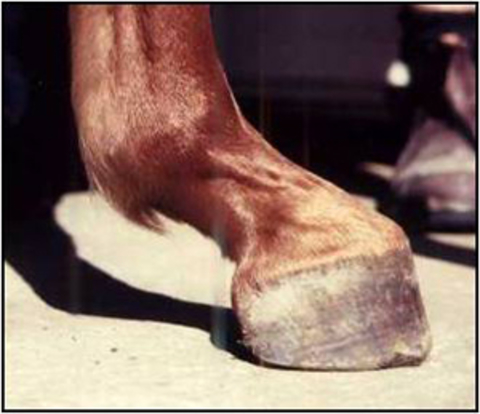
Club Feet In Foals
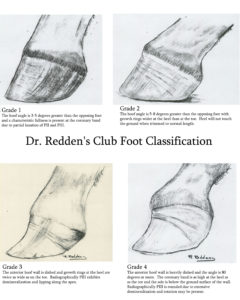
Horse Hoof Irregularities Club Foot - Integrity Horse Feed

Hoof Care Trimming Shoeing Lameness Horse Journals
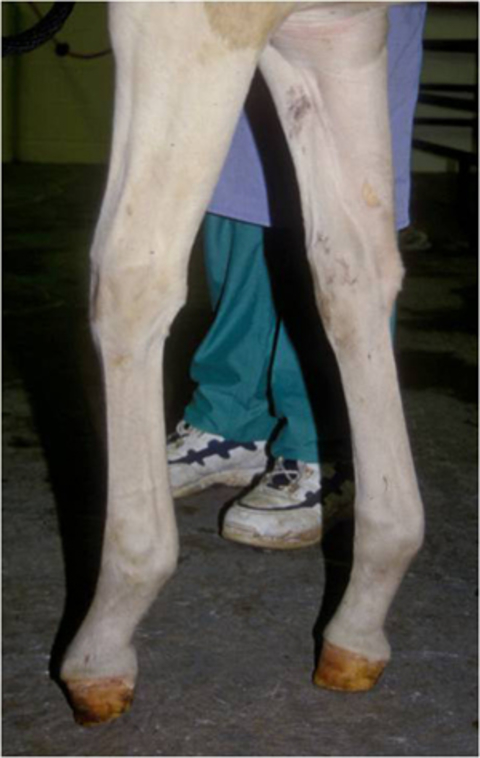
Club Feet In Foals
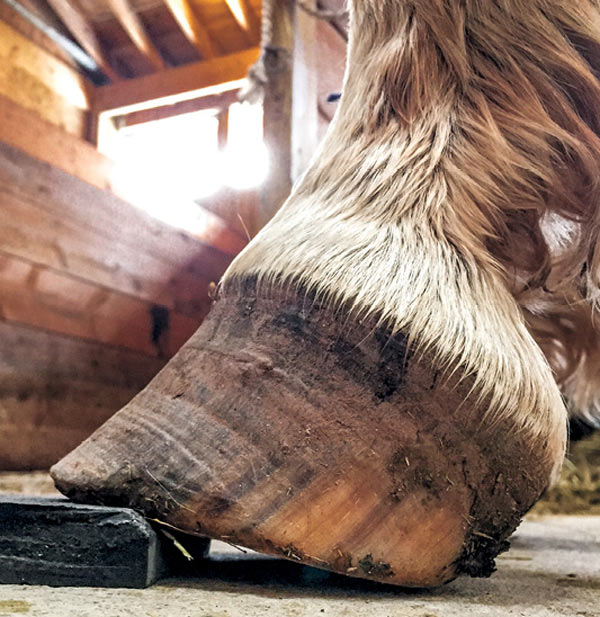
Club Foot Or Upright Foot Its All About The Angles
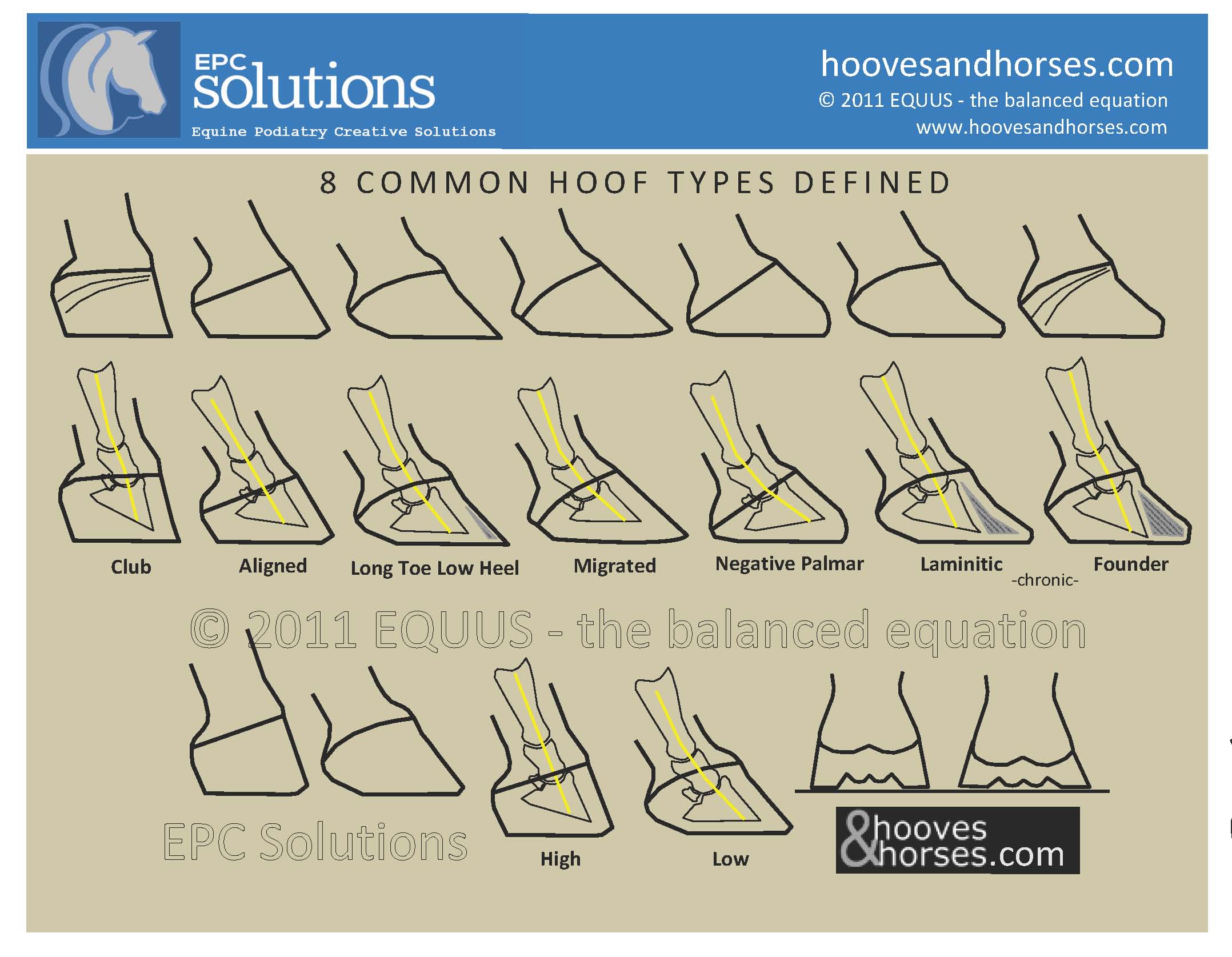
8 Hoof Types Explained
Horse Hoof Irregularities Club Foot - Integrity Horse Feed
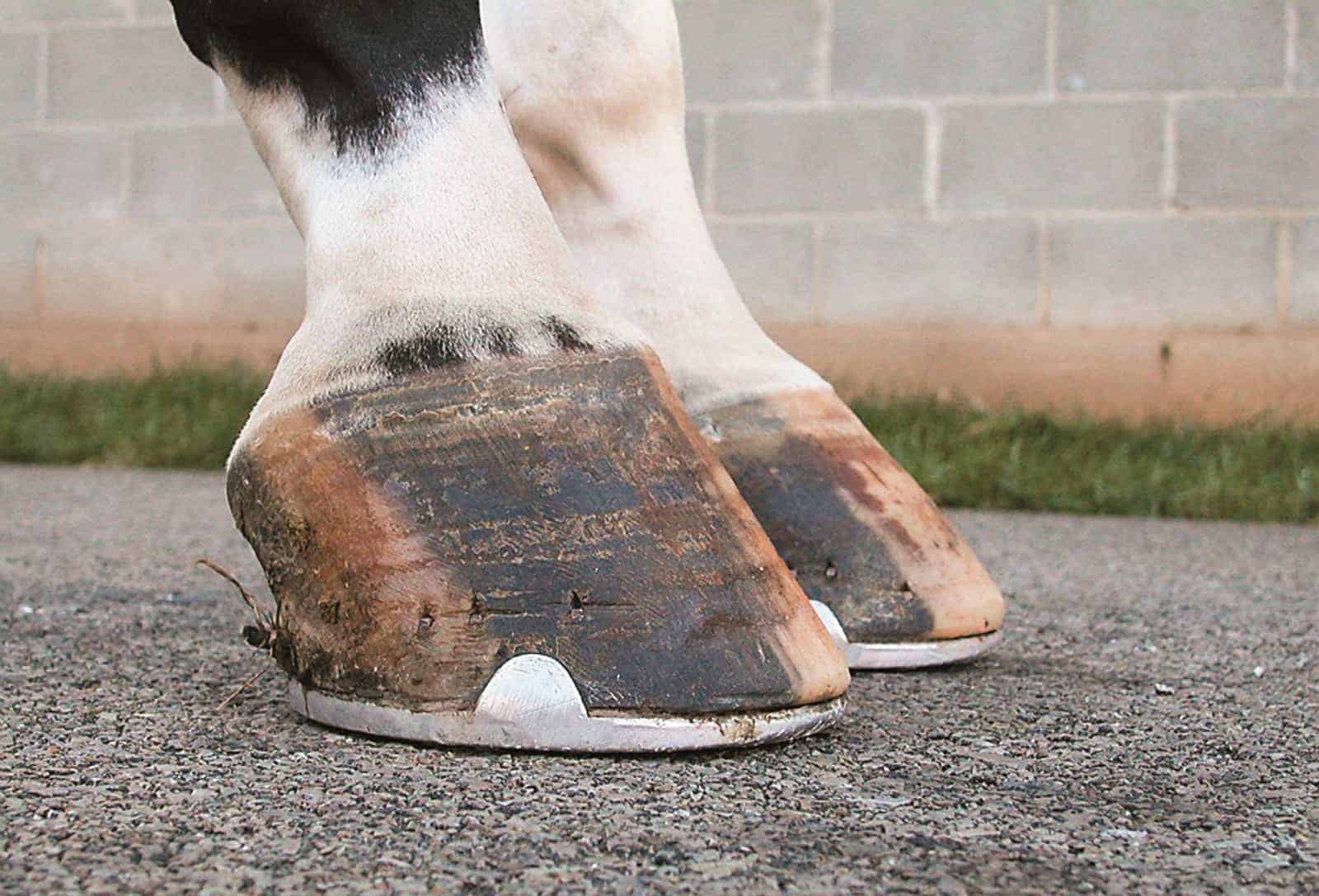
Managing The Club Foot The Horse

Ballerina Syndrome Where The Heels Remain Off The Ground Even At The Download Scientific Diagram
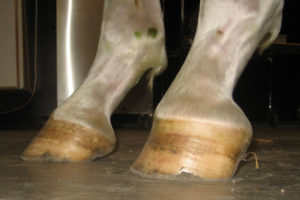
Horse Hoof Irregularities Club Foot - Integrity Horse Feed
Comments
Post a Comment